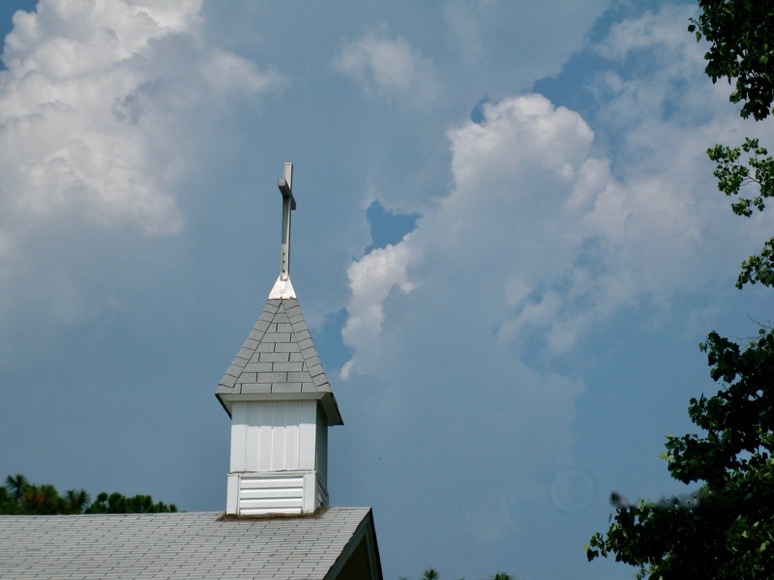
I lived in a high-control religious community. Mine was called a “monastery,” where women pledged obedience to one person who represented God. I entered there at 16, believing I'd been called, and putting my whole heart into the theology I was handed.
When I realized the life limited me more than I felt I could manage, and spoke to that one person, called the superior, I was told it was God's will for me to be there.
Now, I'd come to believe accepting God's will was what I needed to find happiness. So, I put my gut instincts aside as coming from the devil, and stayed.
It was not good. Health issues, mental abuse through gaslighting, and the restrictive lifestyle finally got to me.
And so, after twenty-nine years, I left.
Now I'm free, I thought, believing I would thrive and grow in ways not allowed in the monastery.
I was wrong. Despite taking every opportunity available to me, college, awards through scholarships, trips to Oxford and to France, I still struggled and didn't know why.
I didn't realize that habits formed in strict religious communities don't die. They come along with you.
I knew the ones I didn't want to follow: the judging, the being scandalized by others, the righteous attitudes. I managed to dump those as soon as I took off the habit.
But other practices were embedded so deeply that I was unaware of them: inability to think for myself; helplessness in situations when I didn't know what to do, so I prayed; and a total lack of self, as an individual and as someone with gifts and talents.
I faced these things after I discovered I had C-PTSD. I got trauma therapy. I struggled to learn new habits, rediscover who I had been, and gradually become confident.
I share this so you, too, know that leaving is not enough. You take what you learned with you.